Featured article
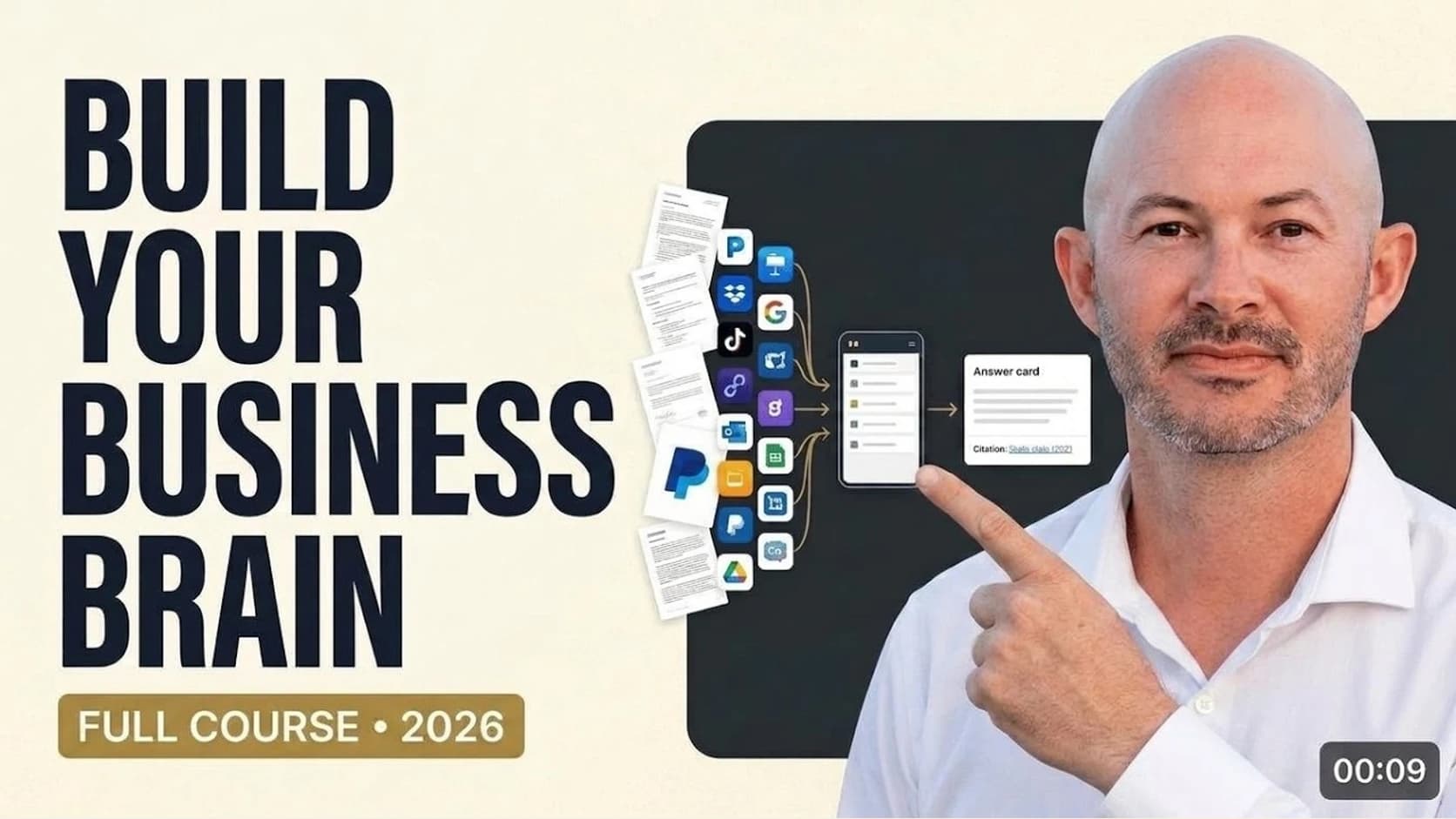
Build a business second brain: the 13-lesson guide
Follow the full Capstone Brands build, from an empty GitHub repository to a Hermes agent answering company questions in Slack.
Read field guide →Operator field guide
Practical field notes for owners installing AI agents, automations, and knowledge systems in real businesses.
Guides drawn from my articles on X and lessons on YouTube.
Featured article
Follow the full Capstone Brands build, from an empty GitHub repository to a Hermes agent answering company questions in Slack.
Read field guide →Operator library
Implementation notes, decision frameworks, and real operating experiments.
Companion video
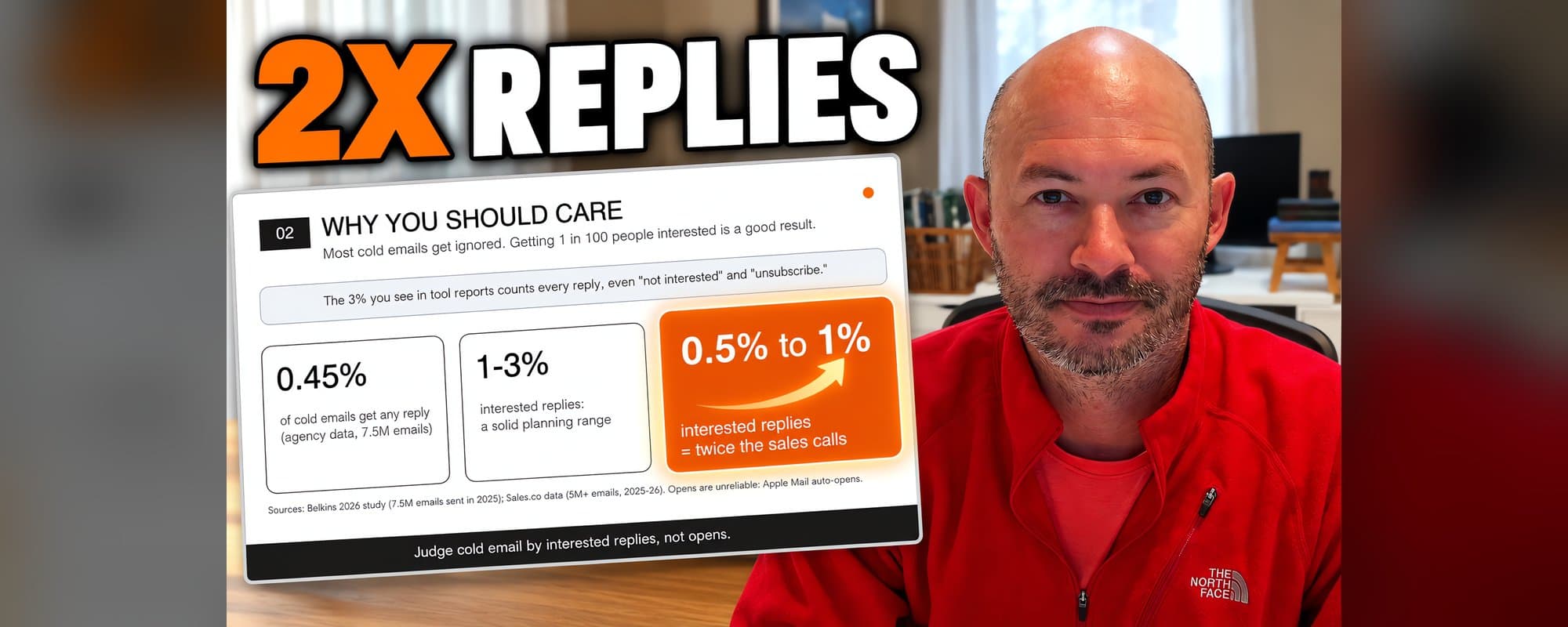
Test your AI email copy against real examples, hold back a hidden set, and measure interested replies.
Read field guide →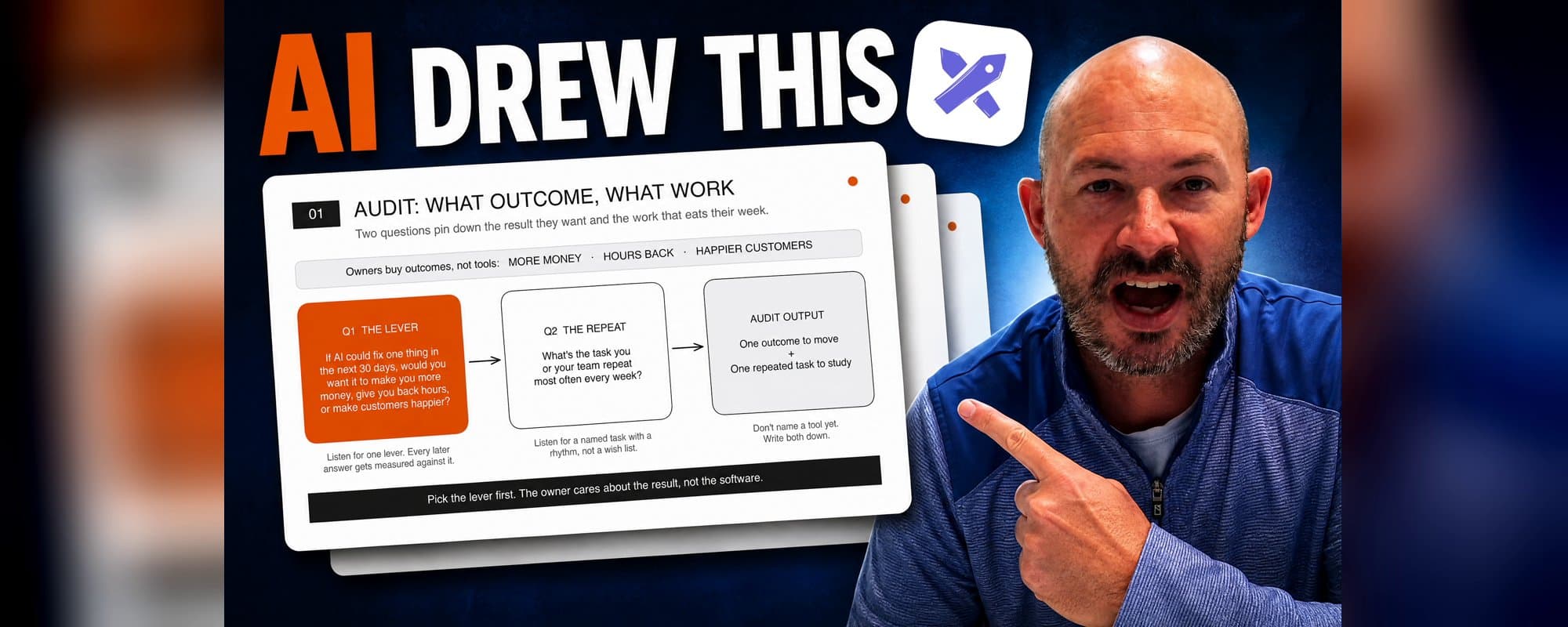
Companion video
One dictated prompt turns the five-question AI opportunity assessment into a three-slide Excalidraw presentation.
Read field guide →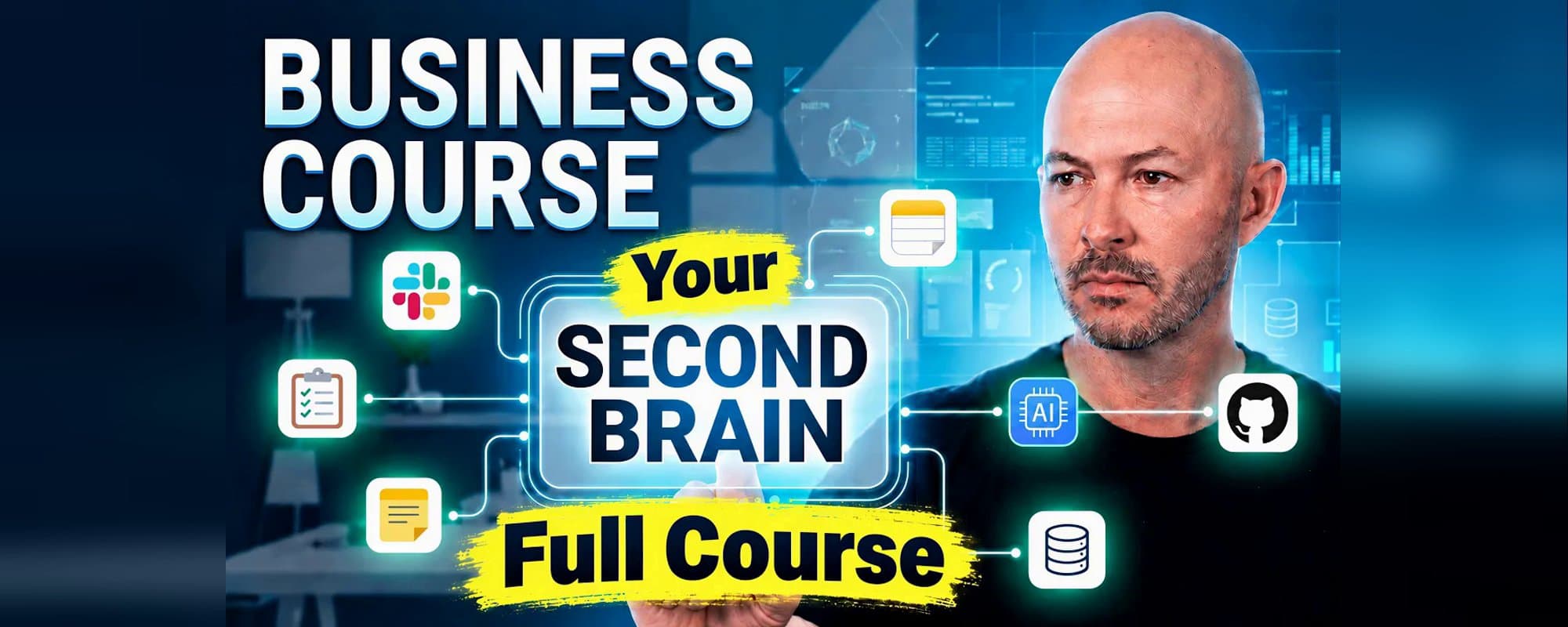
Companion video
Build a business knowledge base in GitHub, connect real sources, and let your team ask a managed agent questions in Slack.
Read field guide →
Companion video
The footage, Resolve connection, Hyperframes skill, and exact prompt I used to turn 13 lesson clips into one course.
Read field guide →
Companion video
My complete website workflow: real design references, a design system, a coding agent, mobile review, and a Vercel preview.
Read field guide →
Companion video
Give a voice agent one job, connect the right knowledge, test its follow-ups, and check how it handles an early finish.
Read field guide →
Companion video
Create a business-owned GitHub organization, give each SOP a home, and ask an AI tool one question from the repository.
Read field guide →
Companion video
Audit one fragile job, simplify its steps, and define the bounded AI task and human approval line before adding tools.
Read field guide →
My seven-step workflow for turning a messy idea into a bounded agent goal, a context rider, and a finish line the agent can prove.
Read field guide →
A practical workflow for turning captured meetings into project requirements, reusable skills, and a second brain you can actually operate.
Read field guide →
The seven-part sprint I use to pressure-test a business idea before spending weeks building it.
Read field guide →
Companion video
Four architecture decisions that turn expert content into a tested operating system instead of another generic chatbot.
Read field guide →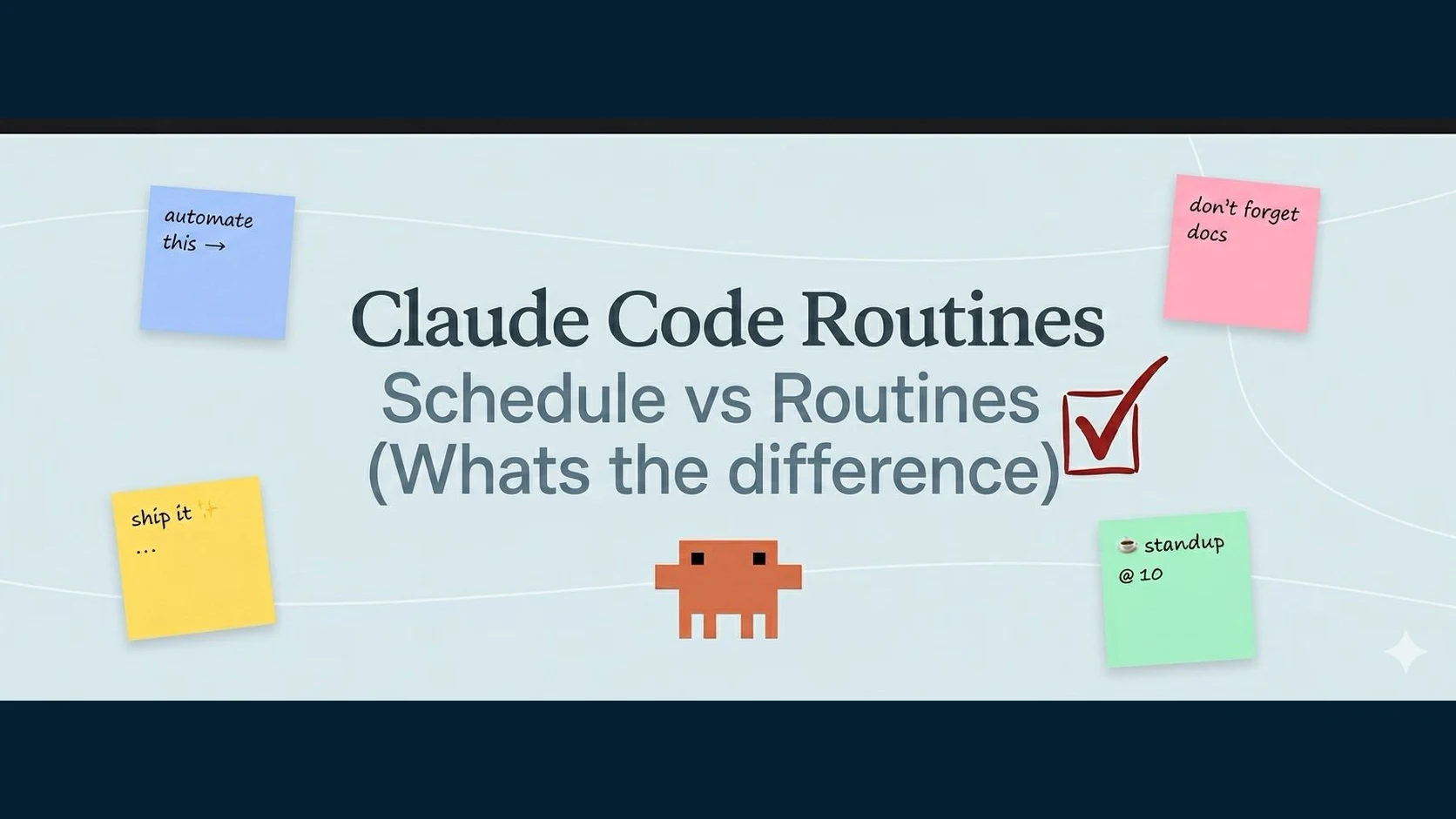
Companion video
Routines, Desktop scheduled tasks, and /loop each run Claude on a timer — but they differ on where they run, what they can touch, and how fast. Here's the decision matrix.
Read field guide →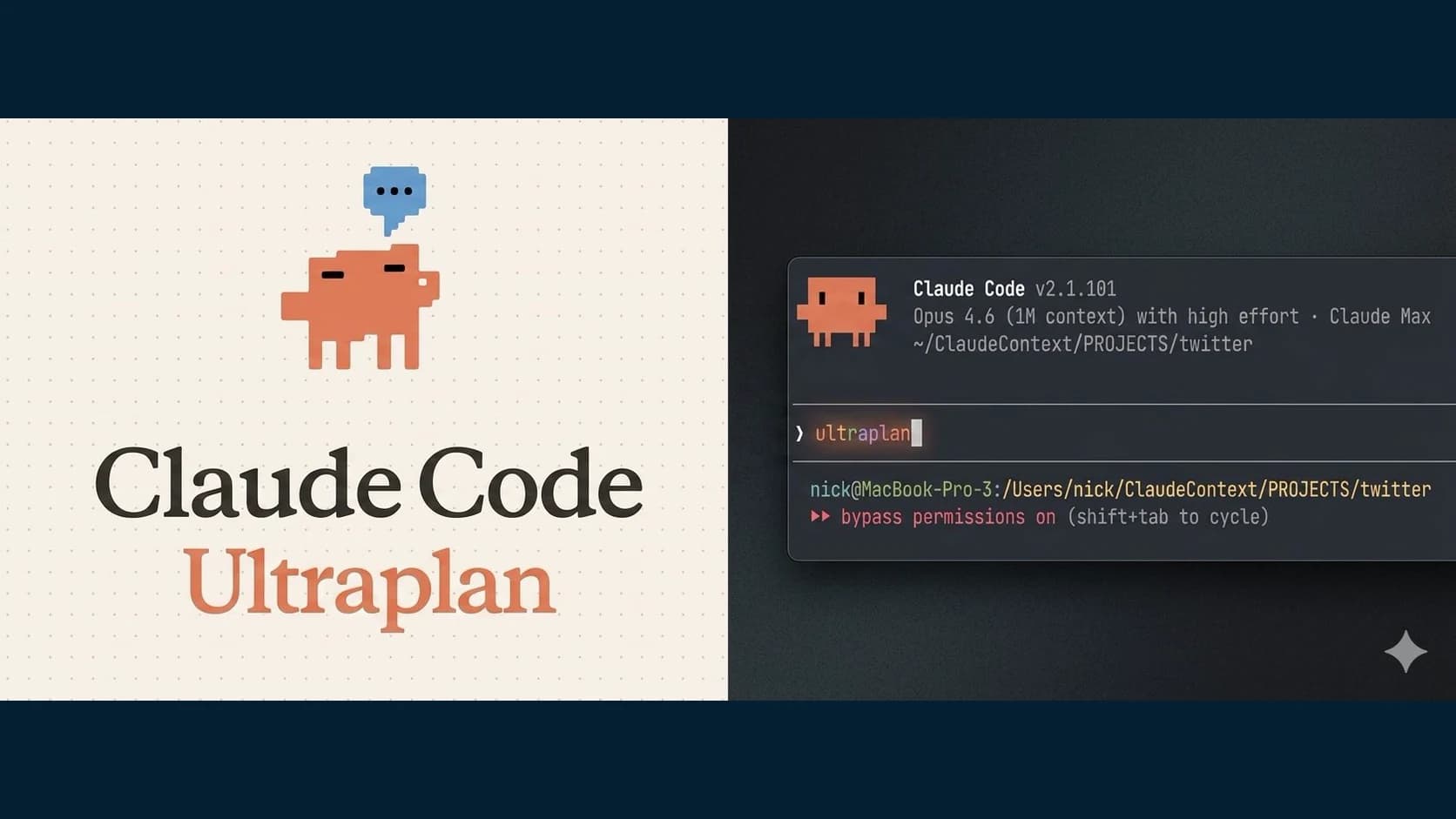
When a browser-reviewed cloud plan is worth the handoff, when local planning wins, and how to keep the plan accountable to the repository.
Read field guide →
What Hermes Agent is, where its learning loop helps, and the safeguards I would put around messaging, browser, memory, and scheduled work.
Read field guide →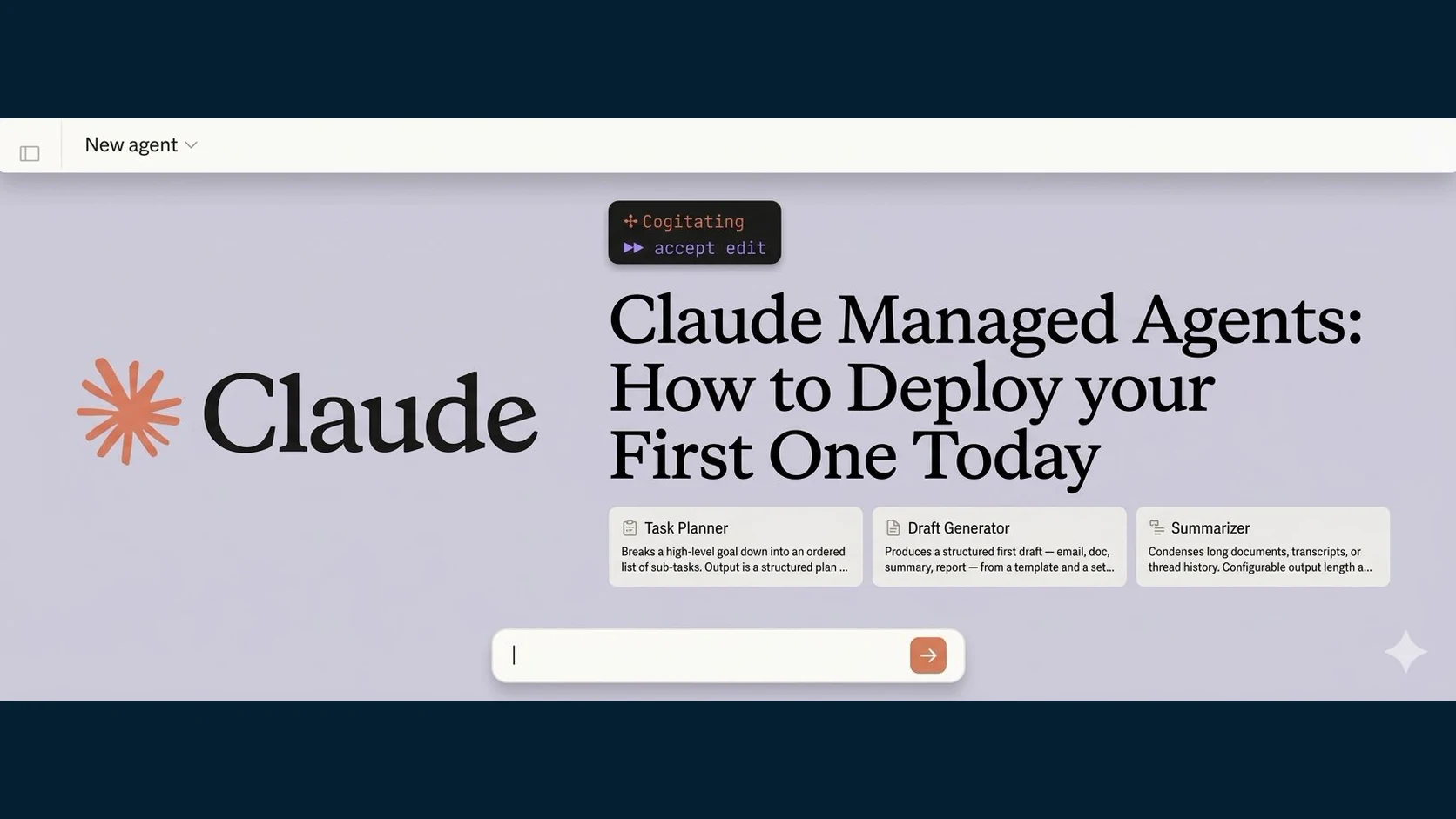
Companion video
The four Managed Agents concepts, a safe deployment sequence, and the permission boundary to understand before production use.
Read field guide →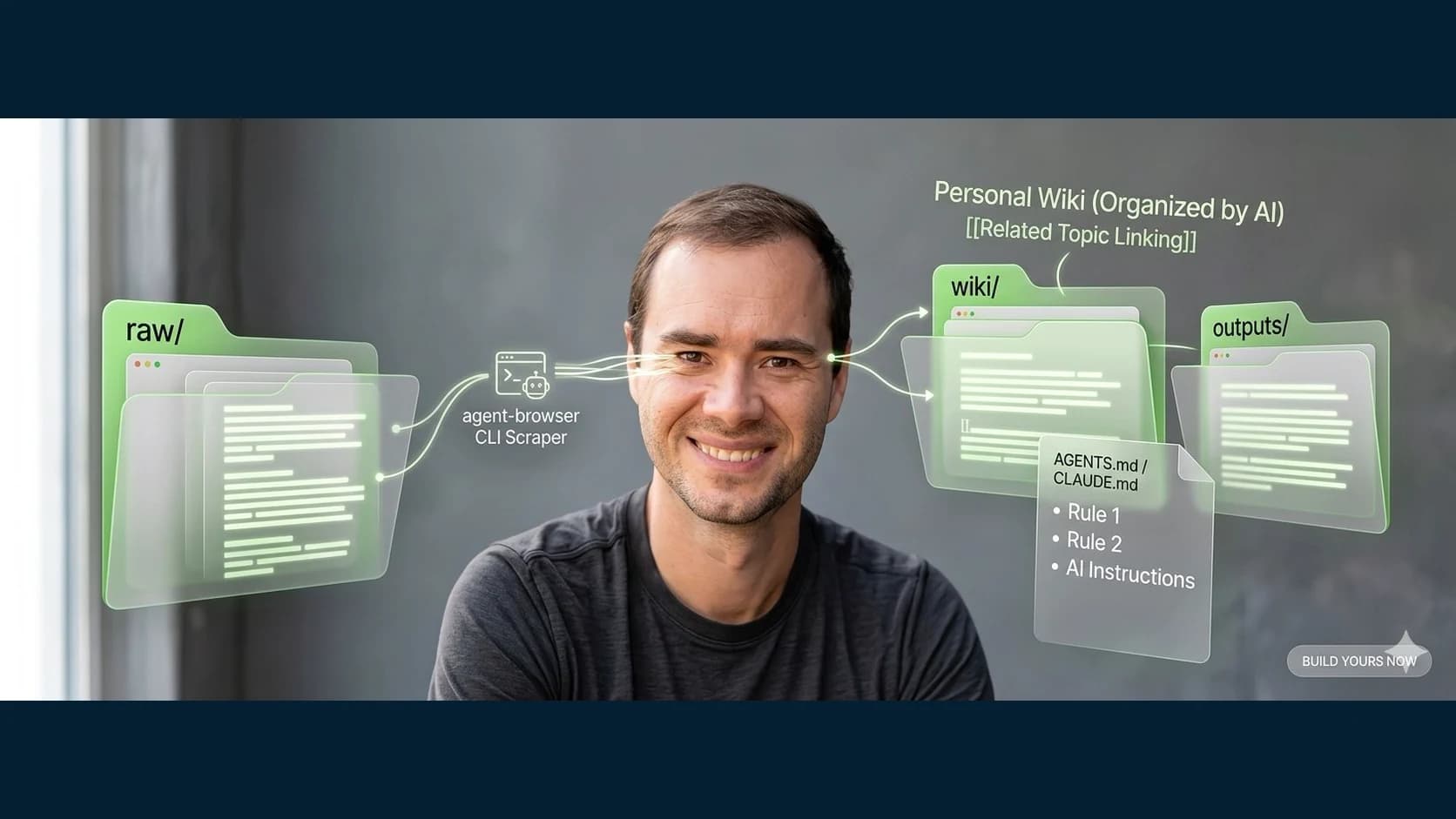
Companion video
Three folders, one schema file, an authorized source collector, and a reviewed maintenance loop for a second brain you can trust.
Read field guide →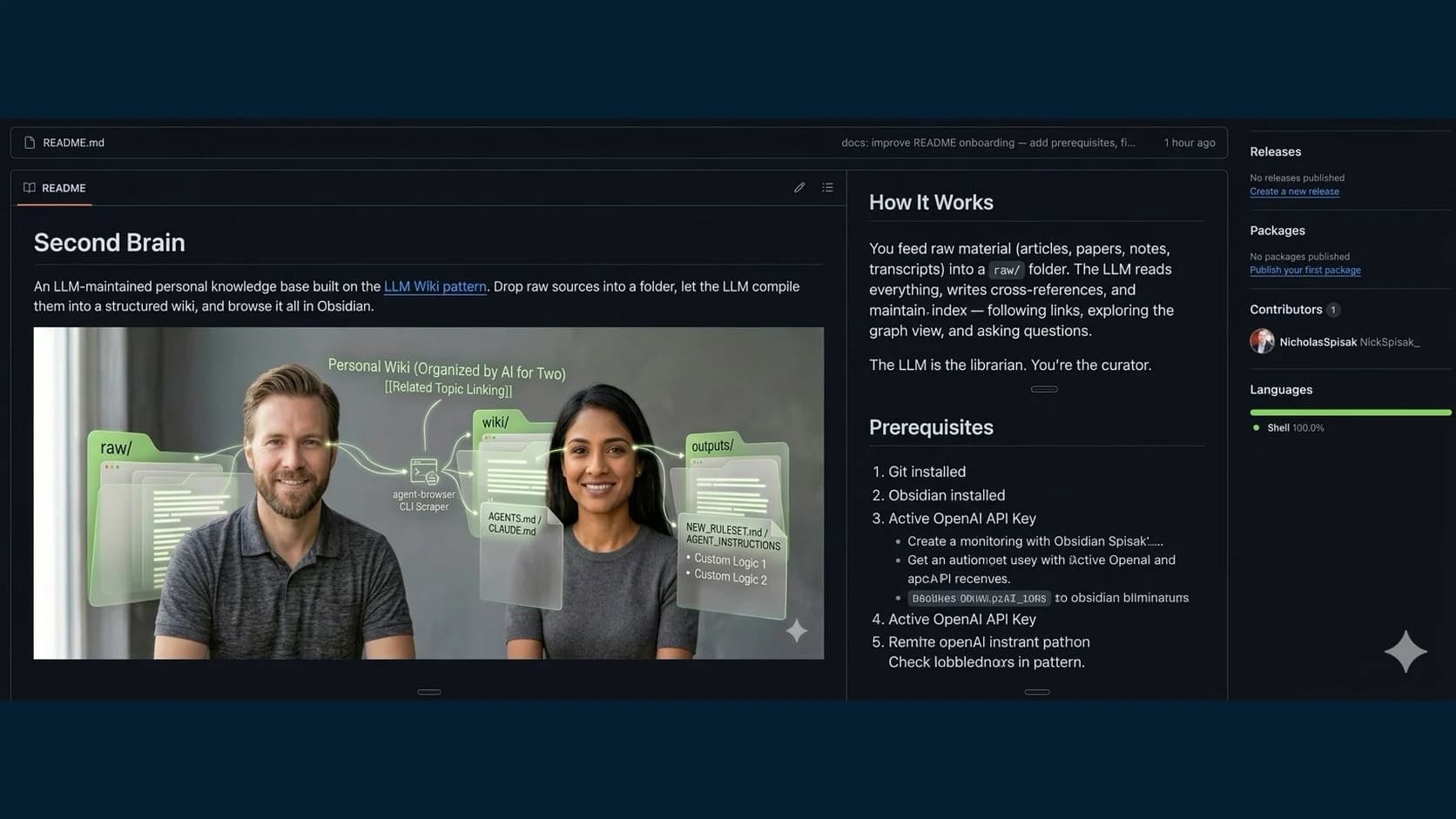
Companion video
The installation chain, four maintenance operations, and domain-vault pattern behind a second brain that stays trustworthy.
Read field guide →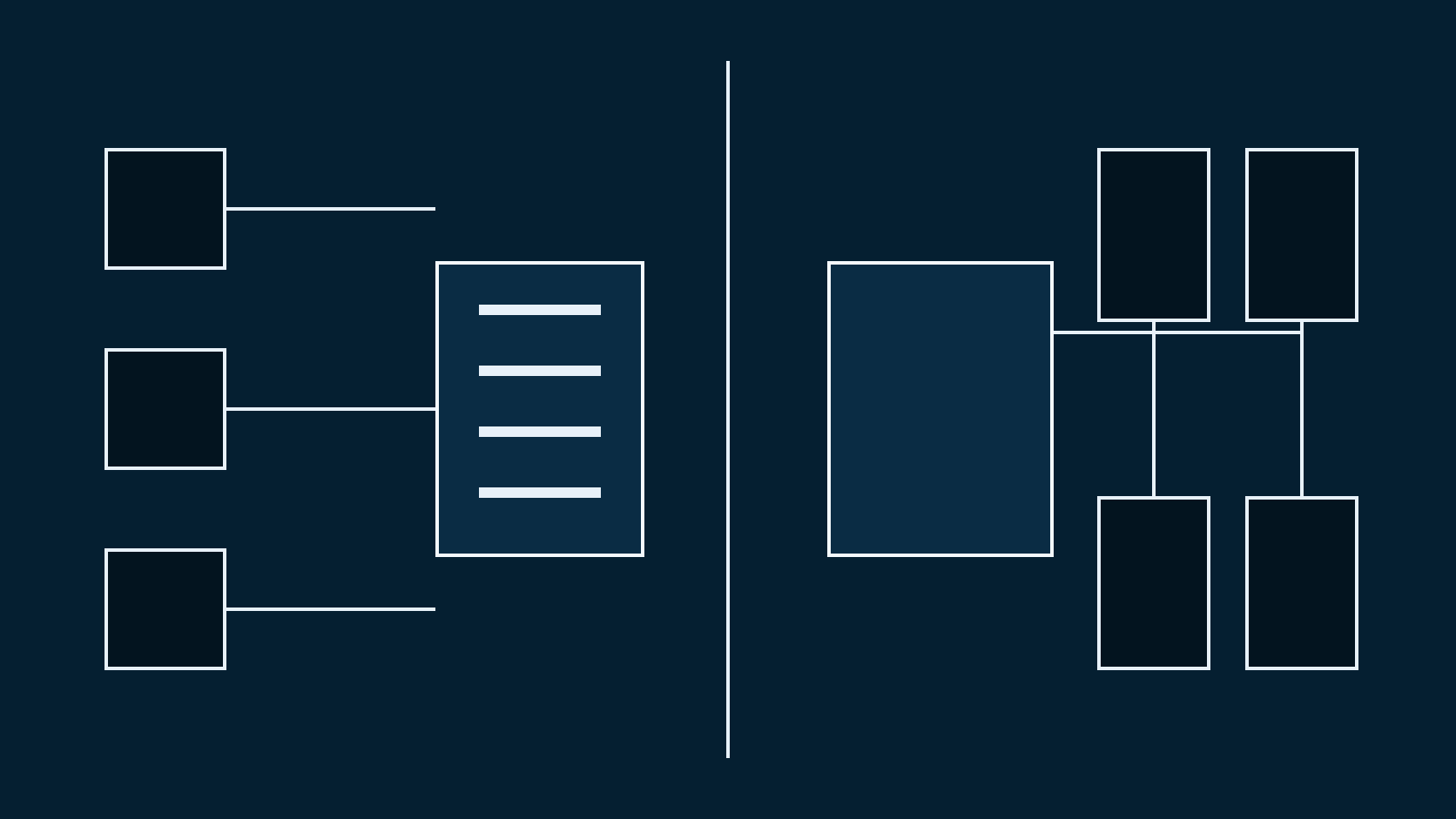
A task-by-task comparison of two agent work surfaces, with the permissions, checkpoints, and current-product caveats that matter.
Read field guide →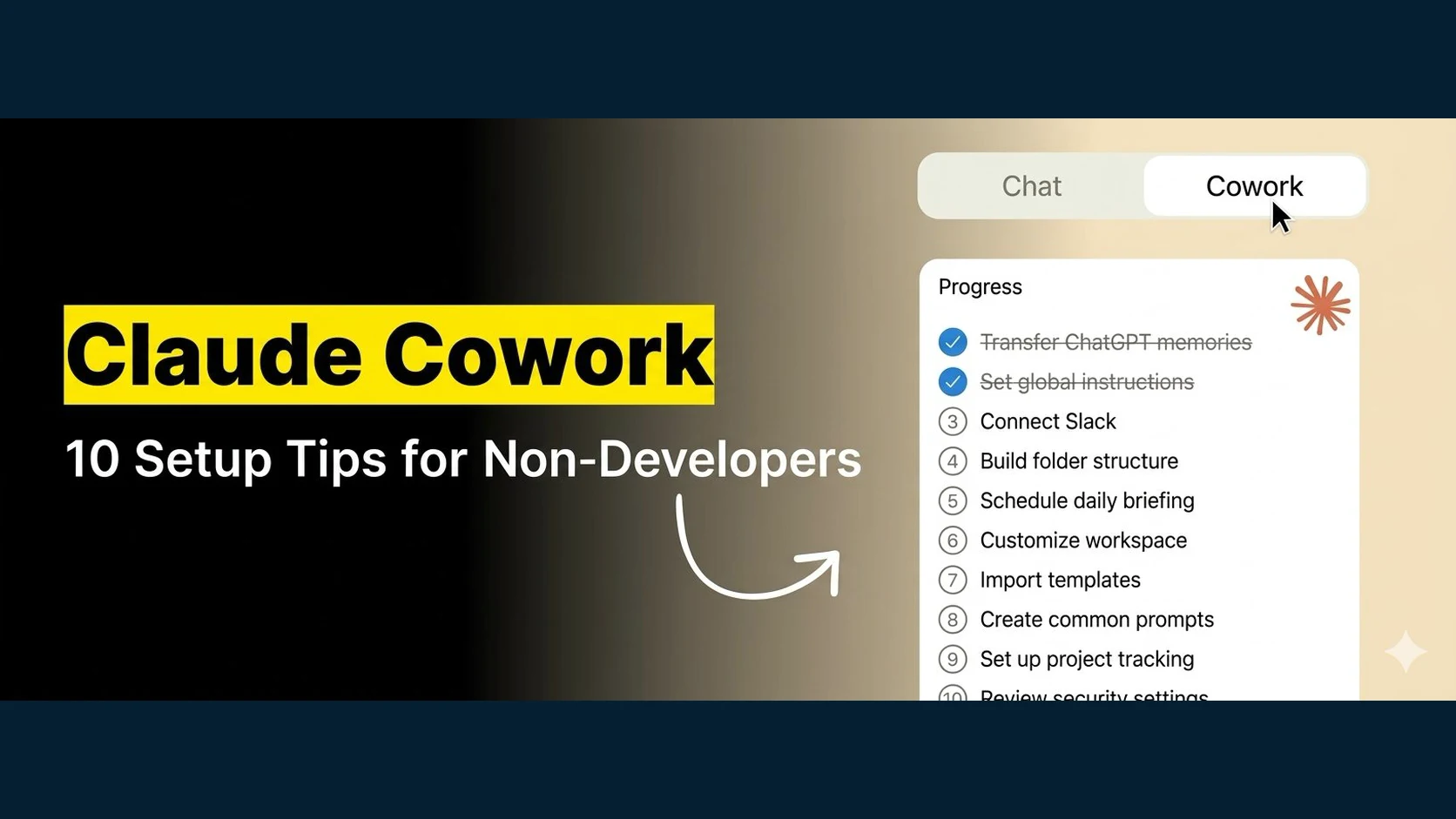
Companion video
Claude Cowork puts an AI agent inside your files, browser, and apps without writing code. A practical walkthrough for operators who want results, not a dev environment.
Read field guide →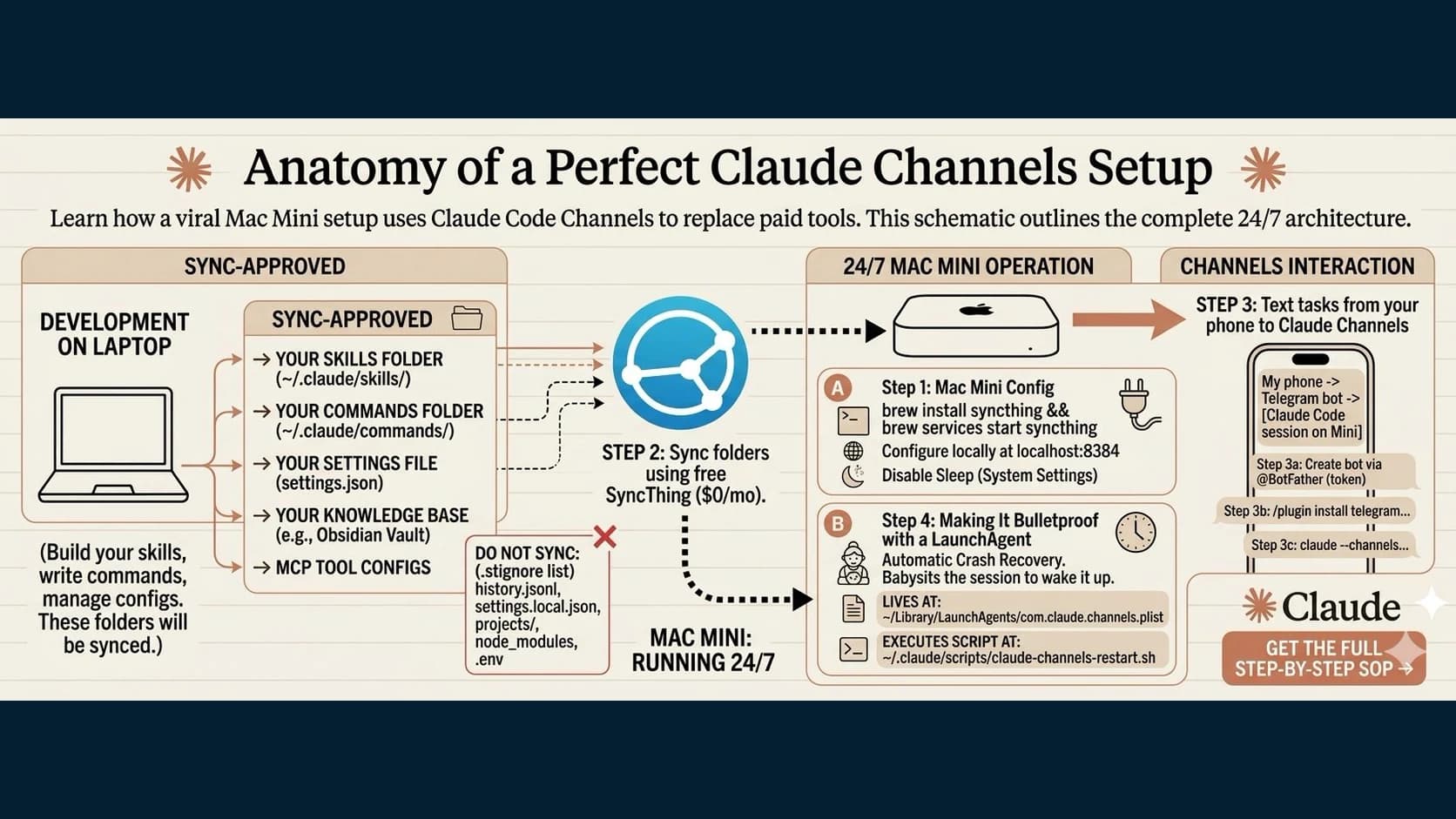
How I think about a Mac Mini, a laptop, selective sync, and a message channel without turning chat into an unrestricted remote shell.
Read field guide →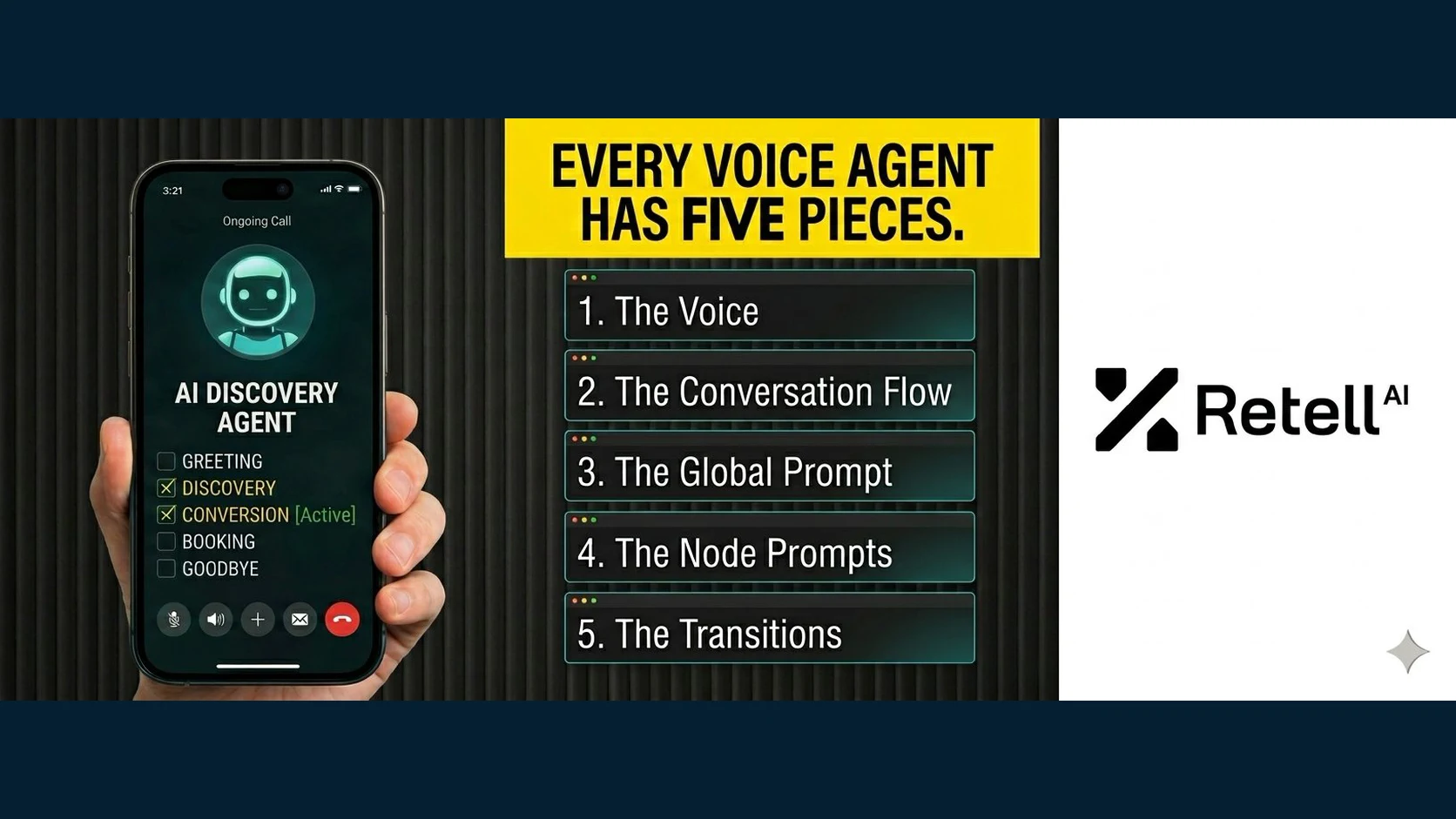
Companion video
The six-node conversation structure I used for Annie, plus the disclosure, consent, privacy, and human-escalation controls a production voice agent needs.
Read field guide →
Ten useful agent workflows, rewritten around read-only defaults, minimum access, human approval, and measurable outcomes.
Read field guide →
How to adapt the keep-or-discard experiment loop to business problems without pretending every number is safe to optimize automatically.
Read field guide →
A dated operator checklist for context, routing, schedules, subagents, logs, voice, and defense in depth.
Read field guide →
Companion video
A governed three-layer workflow for coordinating agents, applying reusable operating skills, and running constrained experiments.
Read field guide →
How Dispatch, Cowork, plugins, connectors, local tasks, and cloud schedules fit together without conflating their execution boundaries.
Read field guide →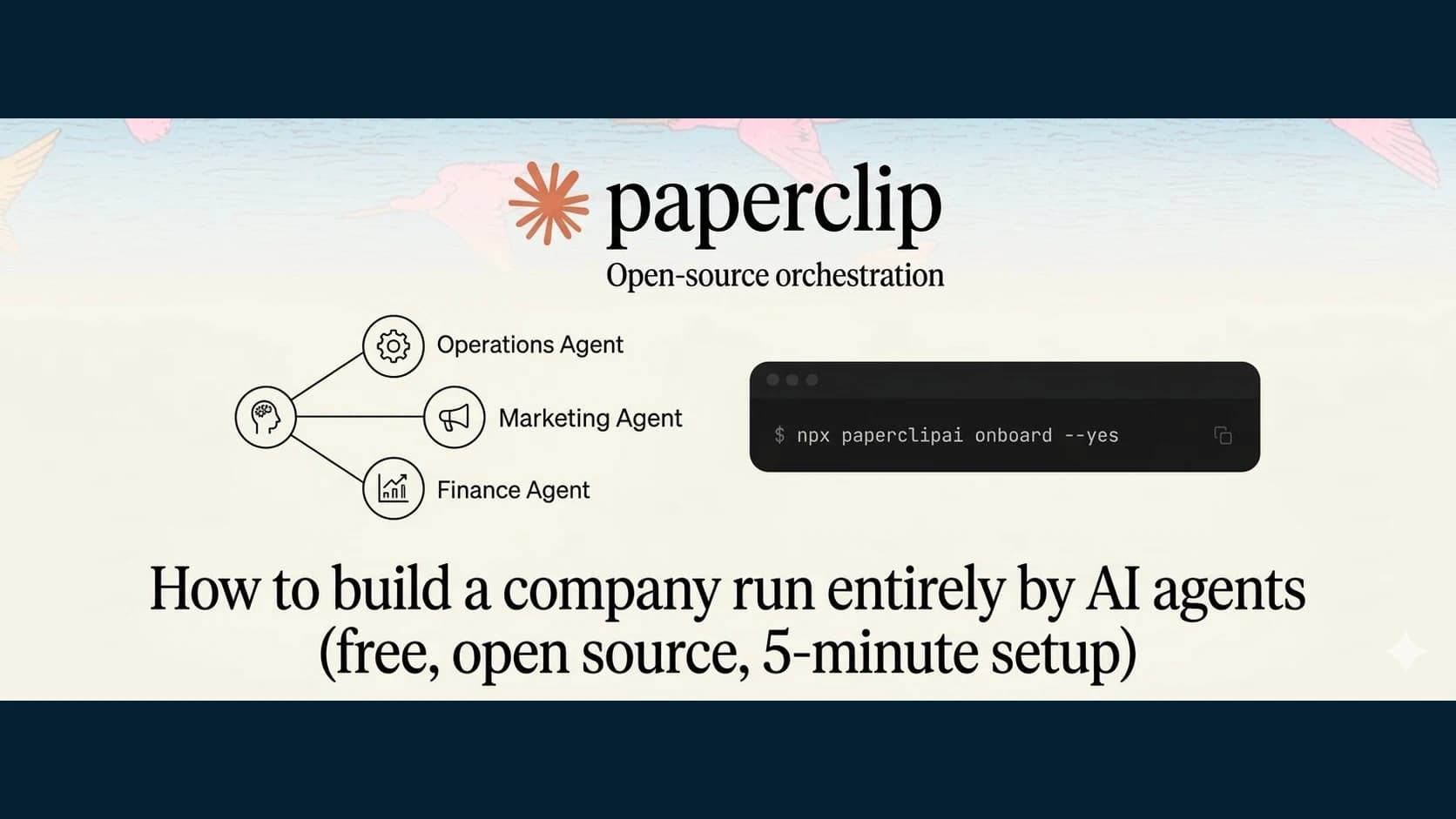
Companion video
Paperclip's organizational model—roles, goals, tasks, budgets, adapters, approvals, and heartbeats—reframed as a human-governed control plane.
Read field guide →Get The AI Owner-Operator
Join thousands of operators. Free. Unsubscribe anytime.